Contents
the email tool that makes email marketing simple


How to Find and Validate Your Next Product Idea
Published: · Last updated: · By Marcus Biel
In brief
Find and validate a product idea by starting with real problems, comparing SaaS, info products, and templates, researching alternatives, and testing demand.
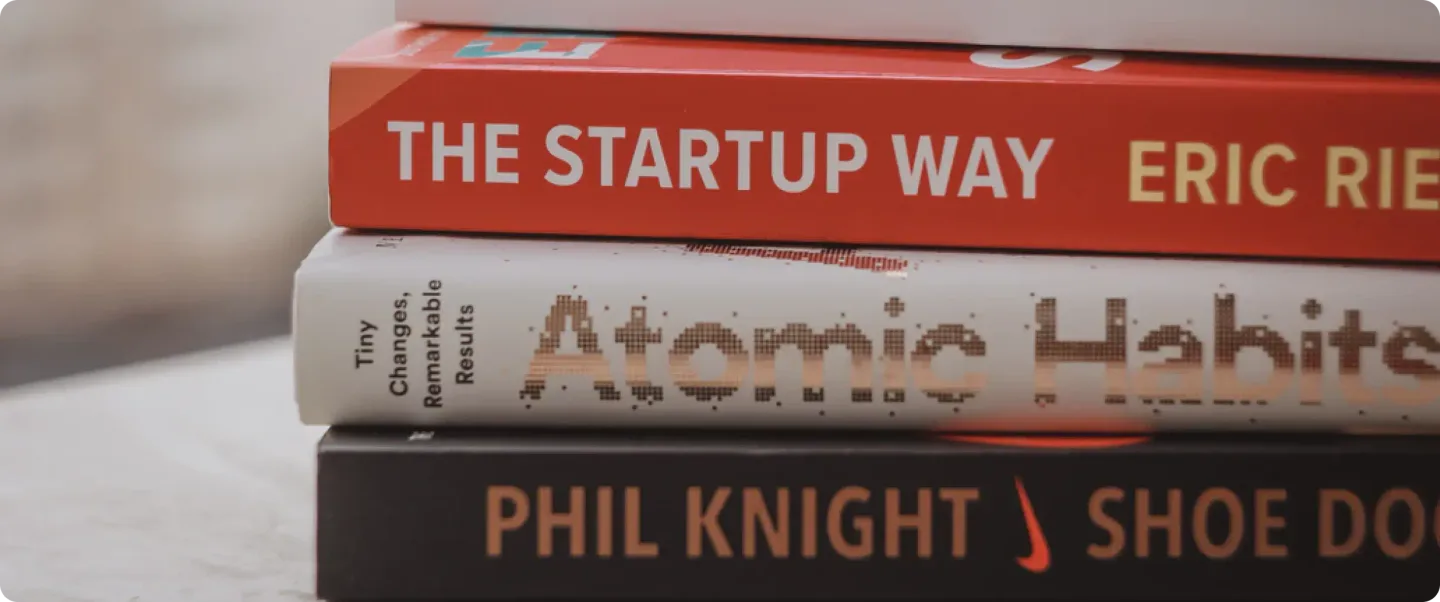
A strong product idea starts with a real problem, not with a format. SaaS, an info product, and a reusable template are different ways to deliver value; the right model depends on the problem, the buyer, and the work you want to operate over time.
This guide shows how to find, compare, and validate product ideas before investing heavily in one.
Start with problems you understand
List recurring tasks, delays, mistakes, or questions from your own work and life. Experience gives you useful context: you know the language people use, the workarounds they tolerate, and what a better outcome would look like.
Good prompts include:
- What do people repeatedly ask me to explain?
- Which spreadsheet, checklist, or manual task do I keep rebuilding?
- Where do existing tools create unnecessary steps?
- What result have I achieved that others are trying to reach?
- Which customer complaint appears across several products?
Do not require the idea to be completely new. A narrower audience, simpler workflow, better service, or clearer teaching method can be a meaningful improvement.
Choose a product model
SaaS
Software as a service fits a recurring workflow that software can make faster, safer, or easier. It can support recurring revenue, but it also creates an ongoing obligation to host, secure, support, and improve the product.
Choose SaaS when the problem happens repeatedly and customers benefit from automation, shared data, integrations, or continuous access.
Info product
An info product packages knowledge into a course, guide, workshop, video, audio series, or other teachable format. It works best when you can help a specific audience move from a clear starting point to a clear result.
Choose an info product when the main value is understanding, judgment, or a repeatable method rather than software execution.
Templates and reusable assets
Templates turn a recurring starting point into something buyers can adapt: designs, spreadsheets, prompts, project plans, email sequences, or document systems.
Choose a template when customers already know what to do but want to avoid rebuilding the structure from scratch.
Research existing alternatives
Competition is evidence that the problem may matter. Study direct products, manual workarounds, agencies, spreadsheets, and the option of doing nothing.
Read reviews and community discussions for patterns, but do not copy a competitor feature list. Ask what users are trying to accomplish, where the current path fails, and which group is poorly served.
Score ideas before choosing one
Compare each idea using the same questions:
- Pain: Is the problem frequent or expensive enough to matter?
- Audience: Can you identify and reach the people who have it?
- Advantage: Do you understand the problem or audience unusually well?
- Feasibility: Can you deliver a useful first version with your time and skills?
- Willingness to pay: Do people already spend money or substantial time on alternatives?
- Fit: Do you want to operate this kind of product for several years?
A small, well-understood problem is usually a better starting point than a huge market with no clear first customer.
Validate the problem before building
Talk to potential customers about the last time they experienced the problem. Ask what triggered it, what they tried, what it cost, and why the current solution was not enough. Past behavior is more useful than asking whether someone “likes” your idea.
Then test the smallest honest offer:
- a landing page with a clear value proposition;
- a paid workshop or manual service before recording a course;
- a downloadable template before building a full platform; or
- a concierge workflow before automating it as SaaS.
The goal is not to collect compliments. It is to learn whether people will commit time, data, a meeting, or money to solve the problem.
Define a narrow first version
Write one sentence: For [specific audience], this product helps [specific outcome] by [distinct approach].
Remove every feature that does not prove that promise. A first version should create one complete outcome, even if some work happens manually behind the scenes.
Decide with evidence
Choose the idea with the strongest combination of problem evidence, reachable customers, feasible delivery, and founder fit. Keep the rejected ideas in a backlog, but do not build several at once.
Your first product does not need to be revolutionary. It needs to solve a real problem for a clearly defined group better enough that they choose it over their current alternative.
Continue reading
Use these related resources to apply the topic or explore the next decision.
- Understand what makes someone a bootstrapper
Start with the founder, constraints, and mindset behind a self-funded business.
- Learn how business bootstrapping works
Explore the method of building a company with revenue and limited outside capital.
- Put the indie-hacker approach into practice
Move from a focused idea to validation, launch, and sustainable independent growth.
Ready to Send Better Emails?
Stop juggling bloated tools or overpriced plans. Maildroppa offers personal support, privacy-conscious controls, and powerful email marketing - starting free forever.
No credit card required. No time limit.